

Ju No Kata
So-called "Forms of Gentleness," as the ju no kata is referred to, is a grossly misinterpreted standard of Kodokan. As performed in modern-day judo,...
Discovering Bunkai in Kata
By Bill Burgar ~ Today kata are practiced for a variety of reasons. Some people use them as good exercise, some to practice technique,...
Are Kata Bi-Lateral?
Lately I have been involved in some discussion on why kata (forms) do not appear to be bi-lateral. If you stop and think for...
Sanchin Kata
Kata (exercises or forms) are performed in many styles of martial arts. With the help of these particular forms of exercise, many diverse techniques...

Kata and Pressure Points
By George Dillman ~ Kata can be compared to a song. The meaning of the song is stated in the lyrics and expressed in...
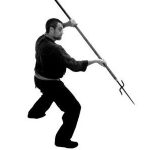
Nunti Bo: The bo with the sai on the end
In Isshin-ryu we have three bo (long staff) kata. About 20 years ago I was pondering a particular characteristic of one of them. Let...
Quest For The Truth – The Origin of Tang Soo Do’s Kata
This article is in response to John Hancock's article, Quest For The Truth : The Origin Of Tang Soo Do's Forms
By Brad Dennison ~...
Chuck Merriman on Kata and the Meaning of Bunkai
"The kata are the essence of karate; without them karate would be the mere learning of various fighting and self-defense techniques, expressing nothing and...
Mike Hancock on Kata Bunkai
For centuries the martial arts have been cloaked in mystery and folk lore. The deadly techniques used by master practitioners of karate were frequently...
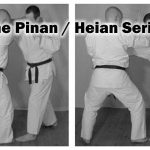
The Pinan / Heian Series as a Fighting System: Part 1
The Pinan / Heian series are often the first katas taught in the majority of modern dojos. This can lead to the Pinan /...
Neihanchi Kata: A Half-Century Musing On The Kata Of Okinawa
In this essay I will share my observations of the Neihanchi kata of the Isshin Kempo and Isshinryu systems. I discuss Kiko and its...
The Wall of Silence: Vital Points in Kata
Prior to WW II there were several publications which discussed vital points and how they could be used to knock out or kill a...
The Martial Artist a Lethal Musician
One cannot learn how to make music without understanding how it functions much like one cannot practice martial arts without understanding martial arts forms...
Returning To Classical Kata With Willie Lim
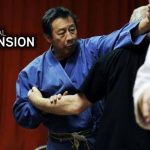
A true understanding of karate is to found by returning to classical kata. Unlike modern karate, it is forms which hold the key to ancient...
The Basics of Bunkai – Part 2
In this second article, we'll be looking at the basic application (bunkai) for the knife-hand block or "shuto-uke". As we established in The Basics...
Bunkai: The Meaning Behind Kata
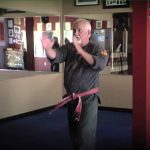
Okay! Bunkai (分解), literally meaning “analysis” or “disassembly,” is a term used in Japanese martial arts referring to process of analyzing kata and extracting...